

What Is Type 2 Diabetes?
Overview
What Is Type 2 Diabetes?
People who have type 2 diabetes have a hard time using glucose (sugar) from food for energy.
After we eat, carbohydrates in food break down into glucose. When glucose enters the bloodstream, blood sugar levels go up. When this happens, the pancreas sends insulin into the blood. Insulin helps open cells throughout the body to let glucose in, giving the cells the energy they need.
In type 2 diabetes, the pancreas makes insulin, but the cells don’t respond to it as they should. This is called insulin resistance. When glucose can’t get into cells, the blood sugar level rises. Then the pancreas works harder to make even more insulin. At first, the extra insulin keeps sugars in the normal range. But over time, the pancreas can’t keep up, and the blood sugars stay high. When blood sugars stay high, the person may have type 2 diabetes.
-
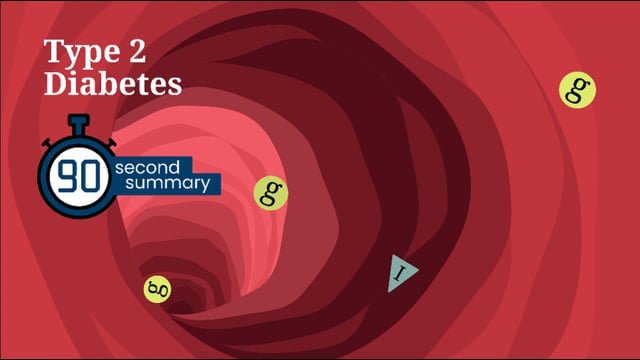
90-Second Summary: Type 2 Diabetes
Learn the basics in 90 seconds.
What Problems Can Happen With Type 2 Diabetes?
Not having the right amount of sugar in the blood can lead to:
- hyperglycemia. This is when blood sugars are too high. Kids with hyperglycemia may be extra thirsty and pee more than usual. If high blood sugars aren’t treated, kids can get very sick and have health issues later in life, like heart and kidney problems.
- diabetic ketoacidosis (DKA). This serious condition needs treatment right away. When there’s not enough insulin in the body to let the glucose into the cells, the body starts to break down fat instead of sugar. Symptoms of DKA can include nausea, vomiting, belly pain, fast breathing, and in severe cases, unconsciousness. DKA happens more often in people with type 1 diabetes, but it can sometimes happen to kids with type 2 diabetes.
- hyperglycemic hyperosmolar state (HHS). Like DKA, this is a serious condition that needs treatment right away. People with HHS have severe dehydration and very high blood sugars.
- hypoglycemia. This is when blood sugars are too low. It can sometimes happen when people with type 2 diabetes are treated with insulin. If a person with diabetes gets more insulin than they need, their blood sugar level can drop too low. Symptoms can include headache, weakness, shakiness, anxiety, and sweating.
Signs & Symptoms
What Are the Signs & Symptoms of Type 2 Diabetes?
Many people with insulin resistance have dark patches on their skin, especially in skin folds like those around the neck or in the armpits. This is called acanthosis nigricans, or simply acanthosis, and it’s often an early sign that a person may develop type 2 diabetes.
Type 2 diabetes can show up in different ways. Some kids have symptoms, but others don’t. Kids with diabetes symptoms may:
- need to pee a lot
- be thirstier and drink more than usual
- feel tired often
- have blurry vision
Causes
What Causes Type 2 Diabetes?
No one knows for sure why some people get type 2 diabetes, but it’s likely a combination of genes and the environment. Many kids who get it have someone in their family who has it too.
Type 2 diabetes happens more often in children:
- who are overweight. When a person has extra weight, sugar in the blood doesn’t get into the cells as well as it should. But people don’t have to be overweight to get type 2 diabetes.
- during puberty. Many kids and teens are diagnosed with type 2 diabetes around puberty. As growth hormone levels normally rise during puberty, insulin does not work as well.
- with polycystic ovary syndrome (PCOS). Girls and women with PCOS have insulin resistance and are more likely to get type 2 diabetes.
- whose mothers had diabetes during pregnancy. Babies are exposed to more sugar in the womb when their mother has diabetes. This, along with genetic factors, increases the chance of getting type 2 diabetes later in life.
Diagnosis
How Is Type 2 Diabetes Diagnosed?
Doctors may check for diabetes if a child has symptoms or risk factors, like being overweight and having acanthosis. Different kinds of blood tests can check for diabetes, including:
- HbA1c. This test shows a person's average blood sugar levels over the past few months. It’s also called a glycosylated hemoglobin or hemoglobin A1c test. HbA1c of 6.5% or higher means the person may have diabetes.
- fasting glucose. To get this test, a person first stops eating for at least 8 hours. A blood sugar reading of 126 mg/dL or higher means the person might have diabetes.
- random glucose. This test can be taken at any time. A blood sugar level of 200 mg/dL or higher means a person may have diabetes.
- glucose tolerance test. To get this test, a person first stops eating or drinking for at least 8 hours, then drinks a sugary liquid. Blood sugar is checked 1 and 2 hours after drinking the liquid. A blood sugar of 200mg/dL or higher at 2 hours means the person might have diabetes.
The doctor uses the results from one or more of these tests to tell if the child has diabetes. The doctor can order other tests to find out if it is type 1 diabetes or type 2 diabetes.
Treatment & Care
How Is Type 2 Diabetes Treated?
Kids and teens with type 2 diabetes often go to a pediatric endocrinologist for treatment. This kind of doctor treats problems affecting hormones, like diabetes. They also may see a dietitian, diabetes educator, or weight management specialist.
The goal of treatment for type 2 diabetes is to keep blood sugar levels in a healthy range. Treatment usually includes:
- eating a healthy, balanced diet
- getting regular physical activity
- checking blood sugar levels regularly
- losing weight, if recommended
- taking anti-diabetes pills or getting insulin (by injection or with a pump). If blood sugars remain high, the doctor may add another medicine.
How Parents Can Help
It can take time for your child and your family to adjust to living with type 2 diabetes, and your child may feel angry or depressed at first. Offer your child sympathy and emotional support, and explain that many kids have diabetes and learn how to follow their care plans and live normal lives.
Listen to your child's concerns, and if there are any you don't know how to address, talk to your child's care team. The care team will teach you and your child everything you need to know about staying healthy. Scheduling and taking your child to regular medical visits and following the diabetes care plan will help keep you on track.
What Else Do I Need to Know?
When your child has type 2 diabetes, it may feel like a lot at times, but you're not alone. The diabetes care team is there for you and your child. Go to them with questions and concerns, or when you need support.